Dear Colleagues,
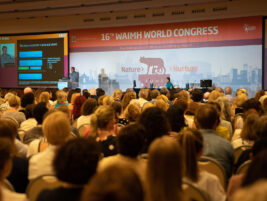
In September of this year, I had the opportunity to attend The Perinatal & Infant Mental Health Conference 2025, co-hosted by the Australasian Marce Society for Perinatal Mental Health and the Australian Association for Infant Mental Health. The event was held in Melbourne, a welcoming and well-maintained city, where I was able to reconnect with colleagues, including several whom I had previously trained.
I was especially impressed by the conference program’s emphasis on collaborative initiatives with Aboriginal Communities. The theme “Honouring First Nations children and families’ voices” was woven throughout the sessions, demonstrating a strong commitment to learning from each other. This focus also aligned closely with the latest Perspectives Special Issue on Decolonizing Infant Mental Health Research, Practice and Intervention.
What resonates with me is how much we learn from one another. Every human group, community, and family has its own meaningful traditions for caring for infants—practices that have supported them for generations. While approaches from industrialized societies are often seen as the standard, they are not always the most effective, despite common assumptions.
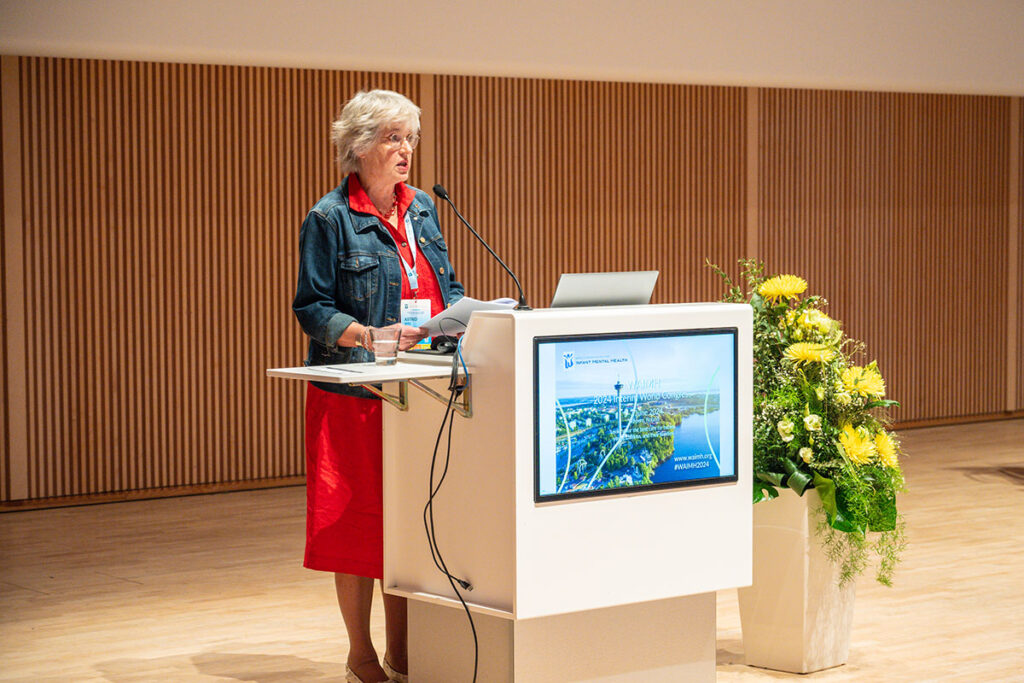
I look forward to attending our Harmony in Diversity: Nurturing the Youngest Minds Around the World Conference in Toronto this October. This event offers North American and international colleagues a chance to connect. The Sponsor-a-Delegate Programme helps delegates from LMIC countries participate, so please consider supporting it if possible.
At the Congress we are also planning a series of Symposia under the heading of Infants in Global Crises. Members of this group have been actively exploring ways in which caregivers of infants and young children could be reached and supported. You will find details about this on the WAIMH website: Join us in supporting workshops and humanitarian efforts in the Middle East – Perspectives
Working with infants, children, and caregivers often involves challenging clinical situations and ethical dilemmas due to the focus on relationships. WAIMH is partnering with the IECMH Ethics Working Group who are developing a survey, which will be available on the WAIMH website. Completing this survey will help guide the creation of a code of ethics, providing valuable support for complex clinical work.
Although global turmoil persists, WAIMH has concentrated its efforts where they matter most, and I am grateful for this collective dedication. The organisation’s focus on supporting infants, children, and caregivers during challenging circumstances highlights the importance of prioritising those most in need. WAIMH’s ongoing commitment to collaborative initiatives, ethical practice, and humanitarian outreach demonstrates our shared resolve to make a meaningful difference in communities where we can. I am deeply grateful to all my colleagues who are making this possible.
Astrid Berg, November 2025
Authors
Astrid Berg, President of WAIMH,
Emerita A/Professor at the University of Cape Town,
Extraordinary A/Professor at Stellenbosch University,
Cape Town, South Africa