Dear colleagues and friends,
Reading current news, I have come to contemplate daily on greed and its power in the world. Human cultures across centuries and continents have wrestled with a difficult truth: greed is among the most destructive impulses of the human heart. This insight appears not only in philosophical writings and religious traditions but in the lived wisdom of Indigenous peoples who have seen how imbalance in a single person can cause the suffering of many.
In the Christian religion that is my religious background, on 6th century, Pope Gregory the Great formally named greed – or avarice – as one of the Seven Deadly Sins, placing it alongside pride, lust, envy, gluttony, wrath, and sloth. Centuries later, Thomas Aquinas deepened this understanding, helping shape why these “capital sins” became the dominant moral structure in Christian thought.
Aquinas argued that greed is not merely wanting or needing material things; it is an excessive, disordered craving for wealth, possessions, or power, a desire that quickly becomes insatiable and spiritually corrosive. It prioritizes having over being, distorts relationships, blocks generosity, and breeds other moral failures such as dishonesty, corruption, exploitation, and even violence. Drawing on 1 Timothy 6:10 – “the desire for money is the root of all evils” – Aquinas explained that greed is dangerous because money provides the means by which many other sins are committed. Aquinas also emphasized that greed can never satisfy the deeper human longing for meaning, connection, and transcendence. It is a moral disorder that corrupts the proper use of material goods and erodes our capacity to love one another.
And yet, not all desire for resources is sinful – only that which becomes excessive, harmful, obsessive, or displaces moral and spiritual values. Stewardship, responsibility, and hard work remain virtues. Generosity is the antidote: sharing resources, giving without expecting return, and using wealth for the common good.
Christianity is not alone in this assessment. Across the world’s major religions, there is a clear consensus: greed is a harmful, self‑centered desire that damages both the individual and society. Generosity, compassion, and balance are universal remedies.
Indigenous worldviews echo this with remarkable clarity. Among the Anishinaabe, the Seven Sacred Teachings – respect, honesty, humility, love, truth, wisdom, and bravery – collectively reject behaviors like greed that break relationships and undermine community. In Māori culture, the principle of kaitiakitanga understands humans as guardians of the land, responsible for protecting it for ancestors and future generations. Greed – in the form of exploitation or hoarding – disrupts harmony with land and spirit alike.
The Sámi people, whose homelands span northern Scandinavia, hold similar teachings. Sámi ethics emphasize humility, honesty, respect, and collective responsibility. Greed is incompatible with survival in the Arctic; community harmony depends on sharing, cooperation, and maintaining balance with land and animals. Greed is thus seen as socially and spiritually corrosive, a force that fractures the relationships that sustain life.
And here lies a sobering truth: greed is not only a personal failing – it is a political force. History shows again and again that while ordinary people rarely desire conflict, wars are often fueled by greed: for more land, more resources, more power, more profit. Greed hides behind the language of ideology or national pride, but its consequences are borne by families, communities, and – most painfully – by children.
Those of us who work with young children, parents, and families cannot ignore this reality. We know that children thrive in environments built on trust, balance, reciprocity, and compassion – the very qualities greed destroys. We also know that children observe the moral landscape around them long before they can articulate it. When they witness a world shaped by exploitation, inequality, and conflict, they feel the instability even if they cannot name it.
Our responsibility is twofold. We need to teach and model generosity, humility, and community-mindedness to our children and to each other, drawing from the deep ethical reservoirs of the universal ethics. We also need to help people everywhere recognize that greed – not necessity, not human nature – is often the underlying force driving the suffering of nations, including wars that ordinary people never asked for. Children are born with an innate sense of fairness. They know instinctively that hoarding harms others. When we nurture this intuition, we help them grow into adults capable of resisting the systems and narratives that normalize exploitation and violence.
If greed can be the root of many evils, then naming greed and teaching against it becomes a form of early intervention, a contribution to peace-building that begins in the nursery, the preschool, the family home, and the community clinic. It may feel small, but it is not. By teaching children to value relationship over possession – being over having – we protect not only their future, but the future of the communities and the world they will one day inherit.
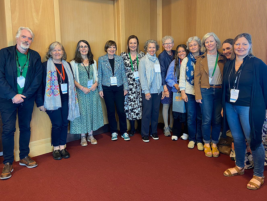
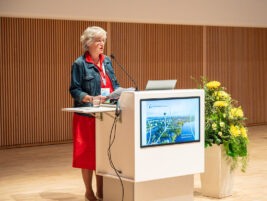
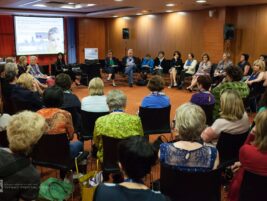
While greed destroys, generosity heals. Whenever we come together, let us be generous towards each other. One opportunity to experience generosity and relationships will be at the WAIMH Toronto Congress, where friends and colleagues from all over the world will meet. I hope to see as many of you as possible there,
Warmly,
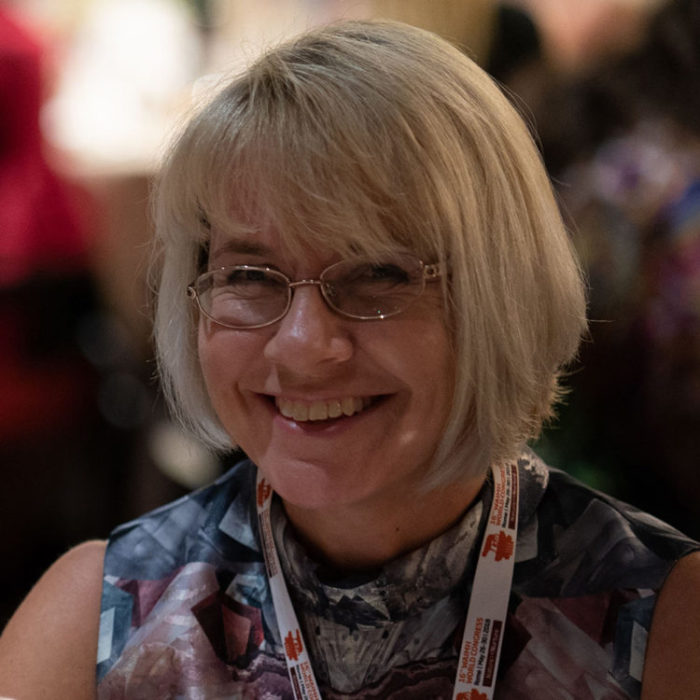
Kaija
Authors
Prof Kaija Puura
WAIMH Executive Director
Tampere, Finland